
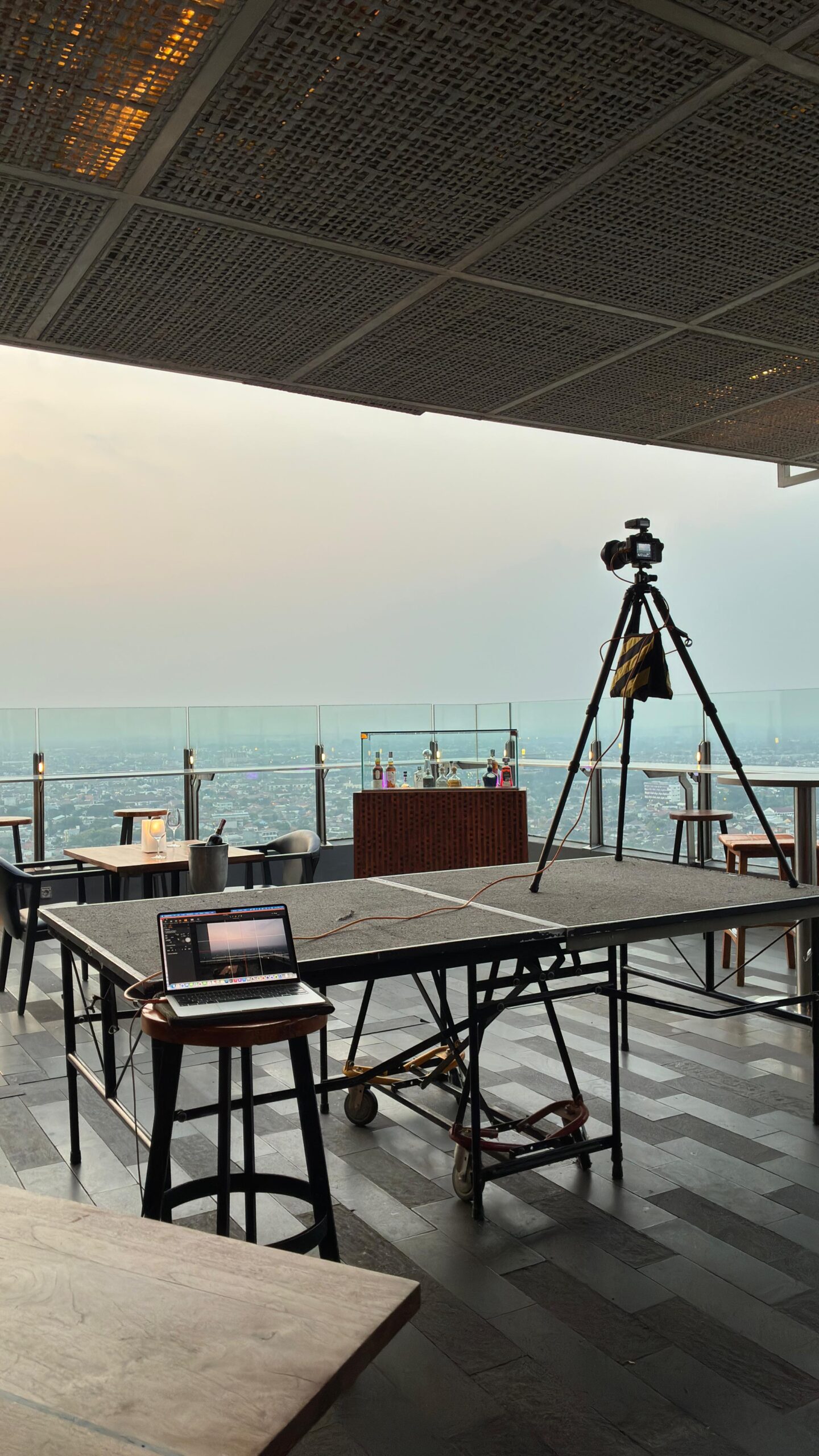
Beyond Architecture. Into Real Experiences.
A hotel is more than a collection of beautifully designed rooms, impressive architecture, and attractive facilities. It is a place where design, atmosphere, service, and human experiences come together to create something meaningful.
At Bali Shifter, we believe architectural and hospitality photography should go beyond documenting physical spaces. It should communicate the character of a property, reveal the details behind its design, and capture the experiences that make each destination unique.
Our approach is built around understanding the relationship between architecture and the people who experience it.
1. Understanding the Details Behind Every Space
Every architectural project has its own identity. It can be expressed through material selection, spatial arrangements, natural lighting, textures, proportions, and the relationship between indoor and outdoor environments.
These details are not simply decorative elements. They contribute to how a space feels and functions.
A carefully positioned window may create a connection with the surrounding landscape. Natural materials may establish a sense of warmth. An open-plan layout may encourage interaction while maintaining a feeling of openness.
Through architectural photography, we aim to reveal these details and communicate the thinking behind the design.
2. Capturing the Atmosphere, Not Just the Architecture
The experience of staying in a hotel is influenced by more than its physical appearance.
It can be found in the morning light entering a guest room, the quiet atmosphere of a private terrace, the relationship between a swimming pool and its tropical surroundings, or the openness of a restaurant overlooking the landscape.
These moments help define the character of a hospitality property.
Photography allows these atmospheres to be communicated visually, helping potential guests understand not only what a property looks like, but also the kind of experience it offers.
3. Real Spaces, Real Experiences
We believe that meaningful hospitality photography begins with real observation.
Rather than relying solely on visual trends or generic representations of luxury, we focus on understanding the actual environment and characteristics of each property.
This means paying attention to:
- How natural light interacts with the architecture throughout the day.
- How guests can use and experience different spaces.
- How interior design connects with the surrounding landscape.
- How materials, textures, and architectural details contribute to the overall atmosphere.
- How shared spaces, private areas, and facilities work together to create a complete hospitality experience.
Every property has a different story. Our role is to understand its distinctive qualities and translate them into compelling visual narratives.
4. The Human Connection to Architecture
Architecture is ultimately created for people.
A beautiful space becomes more meaningful when we understand how it supports everyday activities, relaxation, interaction, and a sense of belonging.
In hospitality photography, this perspective is particularly important.
A guest room is not simply an interior composition. It is a place to rest and feel comfortable. A restaurant is not only about its furniture and lighting; it is also about dining, gathering, and enjoying the surrounding atmosphere.
By considering the human experience behind each space, we create photography that communicates more than architectural appearance.
5. Photography as a Visual Storytelling Tool
Professional photography plays an important role in how an architectural or hospitality project is presented to the world.
For architects and designers, it communicates design intentions, craftsmanship, and the character of a completed project.
For hotels and resorts, it helps communicate their identity, atmosphere, facilities, and guest experience.
Our approach combines architectural understanding, visual composition, lighting, and attention to detail to create imagery that is both informative and emotionally engaging.
